
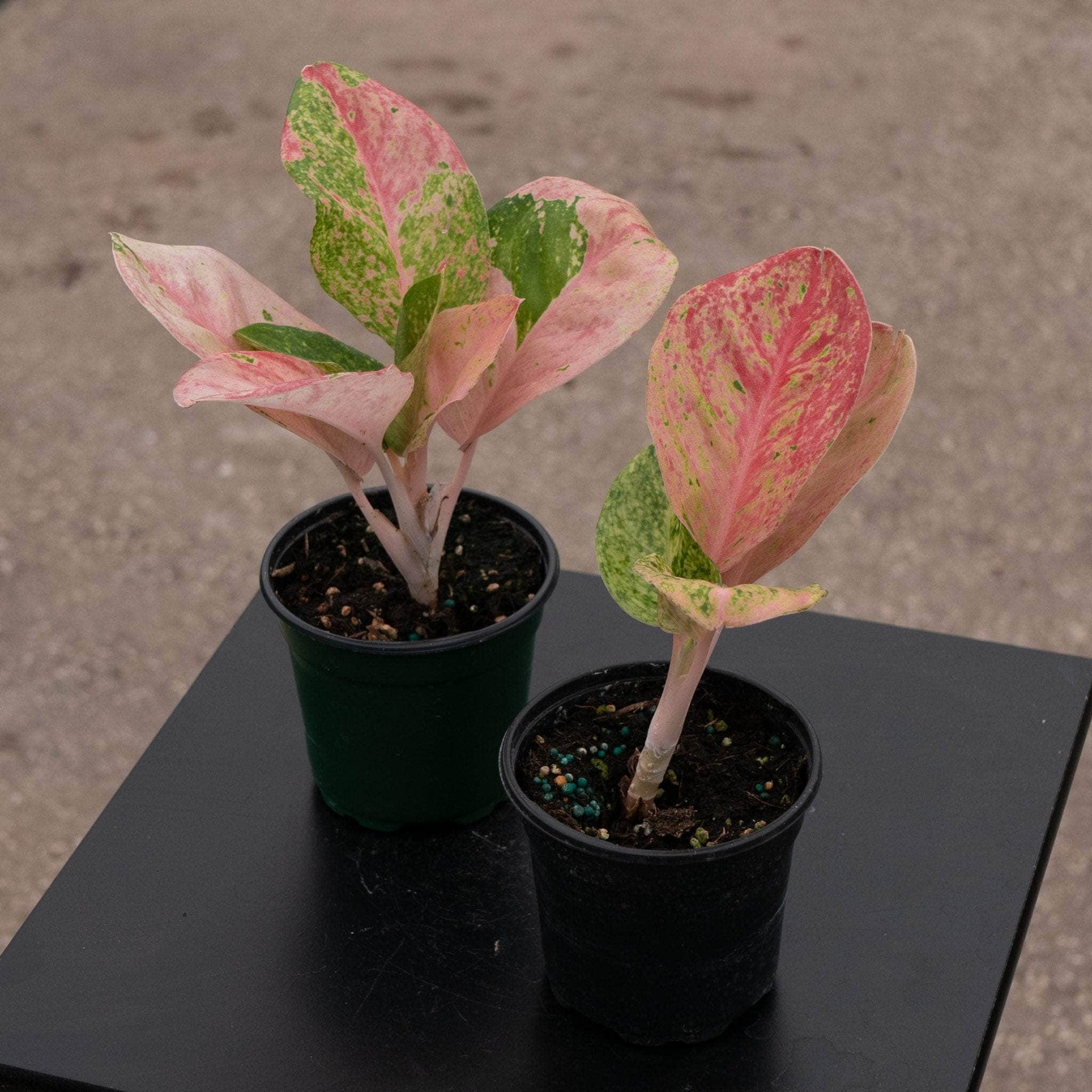
The Aglaonema Pink (often called the Pink Valentine or Lady Valentine) is currently one of the most sought-after indoor plants because it breaks the "all-green" rule of houseplant decorating.
Here is everything you need to know about why this plant is a viral sensation:
1. The Aesthetic Appeal
The most striking feature is its foliage. Instead of basic green, the leaves are splashed with shades of rose, flamingo pink, and ruby red. Because the variegation (the pink pattern) is random, no two leaves look exactly the same, making every plant a "one-of-a-kind" piece of living art.
2. The "Unkillable" Reputation
In the plant world, Aglaonemas are known as "Chinese Evergreens." They are famous for being incredibly hardy. They are the perfect "beginner" plant because they can tolerate a bit of neglect—if you forget to water it for a week or two, it usually bounces back quickly.
3. Light Requirements
Unlike many other colorful plants that need direct sun to keep their hue, the Pink Aglaonema can survive in low to medium light. However, to keep the pink colors bright and vivid, it prefers bright, indirect light. If the room is too dark, the new leaves might come out more green than pink.
4. Air Purification
Beyond its looks, it is a functional plant. It is part of a group of plants studied by NASA for their ability to filter indoor air toxins (like benzene and formaldehyde), making the air in your home or office cleaner.
5. Quick Care Tips:
Water: Wait until the top 2 inches of soil are dry before watering again.
Humidity: It loves a bit of moisture (perfect for a bathroom or kitchen) but survives just fine in standard room humidity.
Style Tip: Because the leaves are so busy and colorful, it looks best in a neutral-colored pot (white, cream, or light grey) to let the pink truly stand out.
Warning: Like many tropical houseplants, it is toxic if eaten by pets (cats or dogs), so it’s best kept on a high shelf out of their reach!


0 Comments